




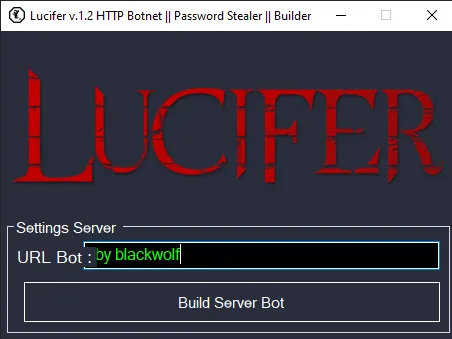
Lucifer v.1.2 HTTP Botnet
Lucifer v.1.2 HTTP Botnet
Understand Lucifer v.1.2 HTTP Botnet from a cybersecurity perspective, including its behavior patterns, risks, and how organizations can protect against modern botnet-based attacks and DDoS threats.
 Introduction: What is Lucifer v1.2 HTTP Botnet?
Table of Contents
Lucifer v1.2 HTTP Botnet is widely referenced in cybersecurity discussions as part of a class of malicious botnet frameworks designed to coordinate large-scale distributed attacks, often targeting web servers and network infrastructure through HTTP-based request flooding.
From a security standpoint, such botnets represent a serious threat to digital systems because they leverage compromised devices to generate massive traffic loads, resulting in service disruptions, downtime, and potential financial loss.
Rather than focusing on usage or construction, cybersecurity professionals study threats like Lucifer v1.2 to improve detection systems and strengthen defense mechanisms.
 How Lucifer v.1.2 HTTP Botnet Operate (High-Level Overview)
Modern botnets typically function through compromised “zombie” devices that are remotely controlled by attackers. These devices can include:
Infected personal computers
IoT devices (routers, cameras, smart devices)
Poorly secured servers
 Key Behavioral Patterns:
High-frequency HTTP/HTTPS requests
Distributed traffic originating from multiple IPs
Sudden spikes in server load
Repeated connection attempts to target endpoints
These patterns are often used in DDoS (Distributed Denial of Service) attacks, aiming to overwhelm system resources.
 Why Lucifer v.1.2 HTTP Botnet is Dangerous
Even without deep technical exploitation details, security researchers identify several risks:
 1. Service Disruption
Websites or APIs may become unavailable due to excessive traffic.
2. Infrastructure OverloadServers may crash or throttle performance under sustained attack loads.
3. Financial ImpactDowntime leads to loss of revenue, especially for e-commerce and SaaS platforms.
4. Secondary AttacksBotnets may be used as a distraction while other breaches occur in the background.
Contact for More Premium Tool : https://t.me/blackwolfreborn
Download Link
Download Link
[/center]


